

Paladin Overview
The Paladin is a heavily armoured holy warrior in Diablo IV, built around shields, faith-fuelled abilities, and sustained close-range combat. Unlike faster, more evasive melee classes, the Paladin is designed to hold position, absorb pressure, and deal consistent damage through a mix of physical strikes and holy power.
At the centre of the class is the Oath system, a defining mechanic that reinforces distinct combat doctrines and shapes how Paladin skills function together.
How the Paladin Plays
Paladin gameplay emphasises commitment and durability rather than constant movement.
Most builds operate at close range, using shields, armour, and damage mitigation to stay engaged while applying steady pressure. The class is designed to take hits and continue fighting, rather than relying on avoidance or frequent disengagement.
Paladins combine direct melee attacks with conjured holy abilities. Combat alternates naturally between weapon-based strikes and abilities that channel divine power through shields, weapons, and the environment.
Core Paladin Systems
Several interconnected systems define how the Paladin functions in practice.
Arbiter
Arbiter Form is a Paladin transformation that grants 25% increased Movement Speed, replaces Evade with Angelic Leap, and produces Wing Strikes that attack around you for 160% damage. It is achieved via three skills:
- Falling Star - Without the Fanatic Descent upgrade. With Disciple Oath.
- Condemn - With Disciple Oath.
- Arbiter of Justice - Ultimate
Faith
Faith is the Paladin’s primary Resource. It is generated through Basic Skills and select utility skills, then spent on heavier attacks and abilities. Managing Faith determines how long pressure can be maintained before pacing becomes necessary. Willpower increases Faith Resource Generation by about 1% per 33 points of Willpower. Other methods to improve your Faith management include:
- Skills
- All Basic Skills - Generate Faith.
- Shield of the Revenant (Blessed Shield Upgrade) - Gain Faith with Blessed Shield hits Crowd Controlled enemy.
- Piety (Passive) - Maximum Faith.
- Parry (Passive) - Blocking restores Faith.
- Enhanced Fanaticism - Passively boosts Maximum Faith.
- Attenuate - Resolve stacks reduce Resource cost.
- Rally - Generate a lot of Faith.
- Enhanced Purify - Generates Faith for all enemies affected by it.
- Enhanced Consecration - Consume less Faith.
- Path of the Penitent (Key Passive) - Resource Cost Reduction.
- Item Affixes
- % to Resource Cost Reduction
- % Maximum Resource
- % Resource Generation
- Lucky Hit: Chance to restore resource
- Faith on Kill
- Faith per Second
- Legendary Aspects
- Aspect of Dedication - Faith upon consuming Judgements.
- Aspect of Pilgrim's Progress - Disciple Skills generate Faith.
- Aspect of Salvation - Zealot Skills Critical Strikes restore Faith.
- Misc
- Elixir of Resourcefulness II - Resource Cost Reduction. Maximum Resource boost.
- Blessed Guide Incense - Willpower boost.
- Sapphire Gem - Socketed in Armor. Willpower boost. Willpower increases the rate you generate Faith.
- Lum Rune - Restore 3.5 Resource.
- Paragon
- Honed Glyph - Crits generate Faith.
- Surgical Node on the Fervant Paragon Board boosts Maximum Faith.
- Fortitude Node on the Beacon Paragon Board boosts Maximum Faith.
- Tempers
- Disciple Efficiency - Brandish Resource Generation
- Judicator Efficiency - Holy Bolt Resource Generation. Casting Justice Skills Restores Primary Resource
- Juggernaut Efficiency - Clash Resource Generation
- Zealot Efficiency - Advance Resource Generation. Casting Valor Skills Restores Primary Resource
- Worldly Stability - Resource Generation, Cost Reduction, Ultimate Skills Restores Resource and Lucky Hit: Chance to Restore Resource.
- ➜ Other Paladin Tempers interact with specific skills, including Faith management. You can find the full list on the Paladin Temper Manuals page.
Fervor
| Zealot |
|---|
| Casting Zealot Skills grants Fervor for 2 seconds. Critically Striking with these skills echoes the attack for an additional 17% of the damage, repeating for each stack of Fervor. While at Maximum Fervor, additionally fortify for 1% of your Maximum Life. |
With the Zealot Oath all Zealot Skills generate stacks of Fervor that "Empower certain skills per stack". If you're not going with the Zealot Oath then the only other way to generate stacks of Fervor is via Vanguard's Rush, the upgrade to the Basic Skill, Advance.
- Legendary Aspects
- Apostle's Aspect - Fervor grants healing received from all sources.
- Aspect of Jacques' Fervor - Fervor grants Critical Strike Damage.
- Aspect of Militance - Lucky Hit: Crits will Fortify for each stack of Fervor.
- Aspect of the Zealot's Covenant - Maximum Fervor stacks increased by 1.
- Revelator's Aspect - Zealot Skills deal more damage based on stacks of Fervor.
- Paragon
- Feverous Glyph - Deal increased damage for each stack of Fervor you have.
- Fervent Legendary Node - On Fervent Paragon Board. Critical Strike Chance increased for each stack of Fervor.
Judgement
"Marks an enemy for 3 seconds, dealing 80% damage after it expires". Applied via Judicator Skills, Judgements are like 'sticky bombs' that attach to the target and then explode after 3 seconds unless you detonate them first with another skill that will also boost the damage in some way. Judgements:
| Judicator |
|---|
| Your Basic Skills now apply Judgement. Judgement can now be detonated early by your Core Judicator Skills, dealing 181% weapon damage in a small area and gaining Judicator skill benefits. Each time you Judge an enemy, increase the damage they take from you by x 8%, up to x 80% until they die. |
- Apply Holy Damage.
- Do not Overpower.
- Do not Lucky Hit.
- Anything referring to 'consuming' a Judgement applies to Detonations too.
- Legendary Aspect
- Aspect of Contemplation - Consuming Judgements reduces 1 active Cooldown.
- Aspect of Dazzling Light - First Judgement to an enemy Dazes them.
- Aspect of Dedication - Consuming Judgements gains Faith.
- Aspect of Firm Decree - Judging increases Armor.
- Aspect of Holy Cadence - Judgement detonations increase Movement Speed.
- Aspect of the Golden Hour - Detonations can detonate other Judgements early.
- Aspect of the Judicator - Damage and size of detonations increased.
- Aspect of the Light's Mending - Consuming Judgements can restore % of Max Life of you and allies.
- Aspect of Watkins' Law - Judicator Skills increased damage to Judged enemies.
- Aspect of Proselytizing - Chance Judicator Skills, which includes Judgements, Chain to Close enemies.
- Paragon
- Judicator Glyph - Judicator skills deal more damage.
- Law Glyph - Significantly increased Judgement damage.
- Benediction Node - On the Sentencing Paragon Board. Big increase in Judgement damage.
- Sentencing Legendary Node - Massive increase in Judgement damage.
- Wrathful Node and Radiance Node - On the Endure Paragon Board. Increased Holy damage.
- Skills
If you have the Judicator Oath All Basic skills will apply Judgements and Core Judicator Skills (Blessed Shield, Blessed Hammer can detonate them). Below are skills that do that including those that don't require the Judicator Oath.
Some skills do other things in addition to applying or detonating Judgements.
- Enhanced Holy Bolt - (Holy Bolt Upgrade) - Applies Judgements (without Judicator Oath)
- Blessed Hammer - Detonates Judgements (with Judicator Oath)
- Blessed Shield - Detonates Judgements (with Judicator Oath)
- Shield of Justice (Blessed Shield Upgrade) - Detonates Judgements (without Judicator Oath).
- Rite of Judgement (Holy Light Aura Upgrade) - Its 'Active' instead now Judge's targets.
- Virtuous Charge (Shield Charge Upgrade) - Consumes Judgements to power a Nova.
- Faith Is My Shield (Aegis Upgrade) - Applies Judgement.
- Sentence (Purify Upgrade) - Purify also Judge's enemies.
- Pronouncement of Heaven (Spear of the Heavens Upgrade) - Places a permanent Judgement that applies damage for 8 seconds.
- Fist of the Heavens (Spear of the Heavens Upgrade) - Makes this a Core Skill that, with Judicator Oath, Detonates Judgements.
- Enhanced Heaven's Fury - Judge's enemies.
- Reach of the Law (Arbiter of Justice Upgrade) - Wing Strikes also apply Judgement.
- Judgement Day (Key Passive) - Judgement spreads when it detonates.
- Tempering
- Judicator Finesse - Improved damage to the Judged. Improves Judicator, Justice and Holy Damage.
- Judicator Augments - Chance for Judgement to deal double damage.
- ➜ Other Paladin Tempers interact with individual specific skills, including Judgement effects. You can find the full list on the Paladin Temper Manuals page.
- ➜ If you are using Arbiter of Justice and have the upgrade Reach of the Law that causes your Wing Strikes to apply Judgements there are several skills and items that affect those detailed on the Arbiter Form Guide.
You can only have one active Judgement per target at a time, so two Paladins can’t both keep Judging the same enemy simultaneously.
When a Judgement is detonated, the damage credit belongs to the Paladin who applied the Judgement, even if another Paladin triggers the detonation. So if you Judge a target and your teammate detonates, it's your Judgement that detonated, so it's your damage.
Retribution
Retribution provides "A chance for your Thorns to pulse around you when you block. This damage counts as a Juggernaut skill."
Thorns is a flat retaliation damage stat. When an enemy lands a direct hit on you, they take damage equal to your Thorns value (it does not reflect a percentage of the damage you received). Thorns won’t trigger from effects that are entirely Damage over Time, and it doesn’t reduce incoming damage at all, it simply adds extra damage back to the attacker. For the Paladin, this DoT clause is mostly just a rules note (he has no DoT skills), but it matters more for other classes and enemy effects that deal pure DoT.
Your Thorns damage scales with your Strength (via its Skill Damage bonus). Thorns is the base number, and Strength is a multiplier on top.
You can find your Thorns damage listed under 'Offensive' in your 'Stats and Materials' tab.
- Item Affixes
- + to Thorns
- Legendary Aspect
- Aspect of Excellence - Losing Resolve increases Retribution chance. See the next section to see what Resolve is.
- Aspect of Lapa's Scripture - Losing Resolve grants stacks of Thorns.
- Aspect of Verdant Restoration - Thorns also heals you.
- Needleflare Aspect - Thorns has a chance to deal damage to all enemies around you.
- Skills
- Punishment (Class Upgrade) - Increases chance of Retribution.
- Breach (Shield Bash Upgrade) - Stackable Retribution chance with shield bashes.
- Impunity (Aegis Upgrade) - Increases chance of Retribution.
- Relentless Charge (Shield Charge Upgrade) - Reputation chance up to 50%.
- Repentance (Passive) - Increased Retribution chance.
- Misc
- Elixir of Iron Barbs - Increases Thorns for 30 minutes.
- Scents of the Desert Afternoon Incense - Increases Thorns for 30 minutes for all players.
- Paragon
- Revenge Glyph - Your Thorns damage increases all damage.
- Constrict Node and Growth Node - On the Shield Bearer Paragon Board. + to Thorns damage.
- Tempers
- Guardian Finesse - Juggernaut Damage.
- Juggernaut Augments - Chance for Retribution to deal double damage.
- Juggernaut Innovation - Retribution size.
- Natural Schemes - Boost to the Thorns.
- ➜ Other Paladin Tempers interact with individual specific skills, including Retribution/Thorn effects. You can find the full list on the Paladin Temper Manuals page.
- What to check on your character for a Thorns + Retribution setup
- Thorns: your base retaliation damage (Stats & Materials → Offensive).
- Strength: the multiplier that scales your Thorns damage (via the Skill Damage bonus).
- Chance to gain Retribution: not shown as a single stat, because it’s set by whatever skill/source is granting Retribution.
- Block Chance: you need to block to trigger Retribution (Stats & Materials → Defensive).
- Dodge: don't ramp this up. If you dodge attacks, Thorns won't trigger (proc).
- Juggernaut bonuses: Retribution’s pulse counts as a Juggernaut skill, so Juggernaut boosts can amplify its damage.
Resolve

Resolve "Increases your Damage Reduction by 20% while active. Taking Direct Damage consumes a stack. You can hold up to 8 stacks."
Resolve is a stack-based defensive buff. If you have at least 1 stack, you gain the listed Damage Reduction. Each instance of Direct Damage removes 1 stack, so Resolve is best thought of as charges that get stripped by hits rather than something you “save up” purely for bigger mitigation.
- Legendary Aspect
- Aspect of Dominance - Crowd Controlling has a chance to generate Resolve.
- Aspect of Excellence - Losing Resolve grants Retribution (see above section) chance.
- Aspect of Glynn's Anvil - Maximum Resolve increased and Damage Reduction increased.
- Aspect of Lapa's Scripture - Losing Resolve grants stacks of Thorns.
- Aspect of Swift Spirit - Losing Resolves grants Movement Speed and it stacks.
- Aspect of the Juggernaut's Covenant - Consuming Resolve grants massive damage boost. Needs Juggernaut Oath.
- Aspect of Valiance - Valor Skills generate stacks of Resolve.
- Paragon
- Sentinel Glyph - Resolve stacks increase damage.
- Skills
Resolve generators
- Enhanced Clash – Gain 2 stacks of Resolve.
- Wave Dash (Advance Upgrade) – Gain 1 stack of Resolve per metre dashed.
- Enhanced Shield Charge – Gain 1 Resolve when Shield Charge hits.
- Rite of Prayer (Defiance Aura Upgrade) – Healing allies grants 2 stacks of Resolve every 2 seconds.
- Courage (Passive) – Gain 1 Resolve every second while an Elite is nearby.
- Fortress (Ultimate) – Gain 2 stacks of Resolve every 0.5 seconds.
- Stay Resolute (Defiance Aura Upgrade) – Grants maximum Resolve stacks.
Resolve scalers and spend-value effects
- Seize Them (Clash Upgrade) – Increased damage per stack of Resolve.
- Lay Siege (Shield Bash Upgrade) – Resolve increases Shield Bash impact size.
- Enhanced Fortress – Gain damage per stack of Resolve.
- Rite of Might (Defiance Aura Upgrade) – Increases damage when you gain Resolve.
Utility passives
- Resolute (Passive) – Gaining Resolve heals you.
- Conviction (Passive) – Resolve stacks increase Attack Speed.
- Attenuate (Passive) – Resolve stacks improve Resource Cost Reduction.
- Tempers
- Paladin Resolve - Stacks of Resolve generated and Maximum Resolve stacks increased.
Weakened

" Weakened enemies deal reduced damage: 20% for Normal enemies, 15% for Elites and 10% for Bosses."
- Legendary Aspects
- Aspect of the Disciple - Disciple skills now Weaken.
- Aspect of Utmost Glory - While Healthy skills deal massively increased damage against Weakened enemies.
- Skills
- Cull the Wicked (Zeal Upgrade) - Increased damage to Weakened.
- Fanaticism Aura - Active: Weakens Nearby.
- Rite of Redemption (Fantacism Aura Upgrade) - Weakened who die Heal and Fortify you.
- Fanatic Descent (Arbiter of Justice Upgrade) - Weaken enemies when landing.
- Absolution (Purify Upgrade) - Weakens.
- Hallowed Ground (Consecration Upgrade) - Weakens.
- Break the Line (Passive) - Increased damage to Weakened.
- Empyrean Edge (Zenith Upgrade) - Weakens and reduces Cooldowns.
- Tempers
- Zealot Finesse - Increased damage to Weakened Enemies.
The Oath System
The Paladin’s defining choice is the Oath they swear.
Each Oath reinforces a specific combat doctrine and rewards commitment to that playstyle. Oath choice strongly influences which mechanics a build revolves around and how skills interact.

Judicator

Arbiter

Zealot
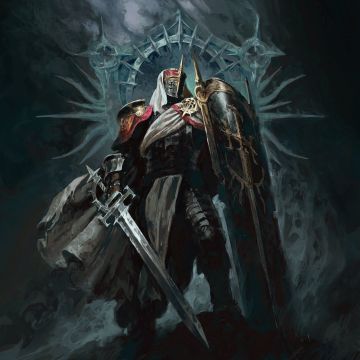
Juggernaut


Zealot
A fast-paced melee doctrine focused on sustained pressure and repeated strikes. Skills such as Zeal exemplify constant, committed combat.
- ✔ Suited to players who enjoy high attack frequency and continuous melee engagement.
Juggernaut
A defensive doctrine that converts durability into power. Juggernaut builds revolve around Resolve, shield use, and retaliation effects.
- ✔ Suited to players who prefer survivability, control, and deliberate pacing.
Judicator
A doctrine built around applying and detonating Judgment. Skills such as Blessed Shield and Spear of the Heavens are commonly used to trigger these effects.
- ✔ Suited to players who prefer structured combat and planned damage spikes.
Disciple
A celestial doctrine centred on Arbiter form, an angelic transformation that enhances mobility and damage. Disciple gameplay rewards chaining cooldown-based abilities to maintain empowered states.
- ✔ Suited to players who enjoy transformation mechanics and ability-driven play.
Full mechanical details for each Oath are covered on the Oath System page.
Strengths and Trade-offs
- Strengths
- Strong defensive identity built around armour, shields, and mitigation
- Clear mechanical focus and class cohesion
- Distinct playstyles defined through Oath choice
- Mix of melee, conjured, and transformation-based abilities
- Trade-offs
- Primarily close-range focused
- Many builds rely on setup and commitment
- Cooldown management plays a significant role
- Oath specialisation can limit hybrid flexibility